How to Visit Remote Regions in Iceland for an Authentic Experience

Whether you’re hiking, snowmobiling, or traveling by helicopter, Iceland is a country full of remote regions that are worth exploring. There are vast marshlands, endless peaks, and dramatic views almost everywhere you look. As a travel advisor who specialises in crafting trips to Iceland, here are my favourite remote spots to visit.

The Westfjords

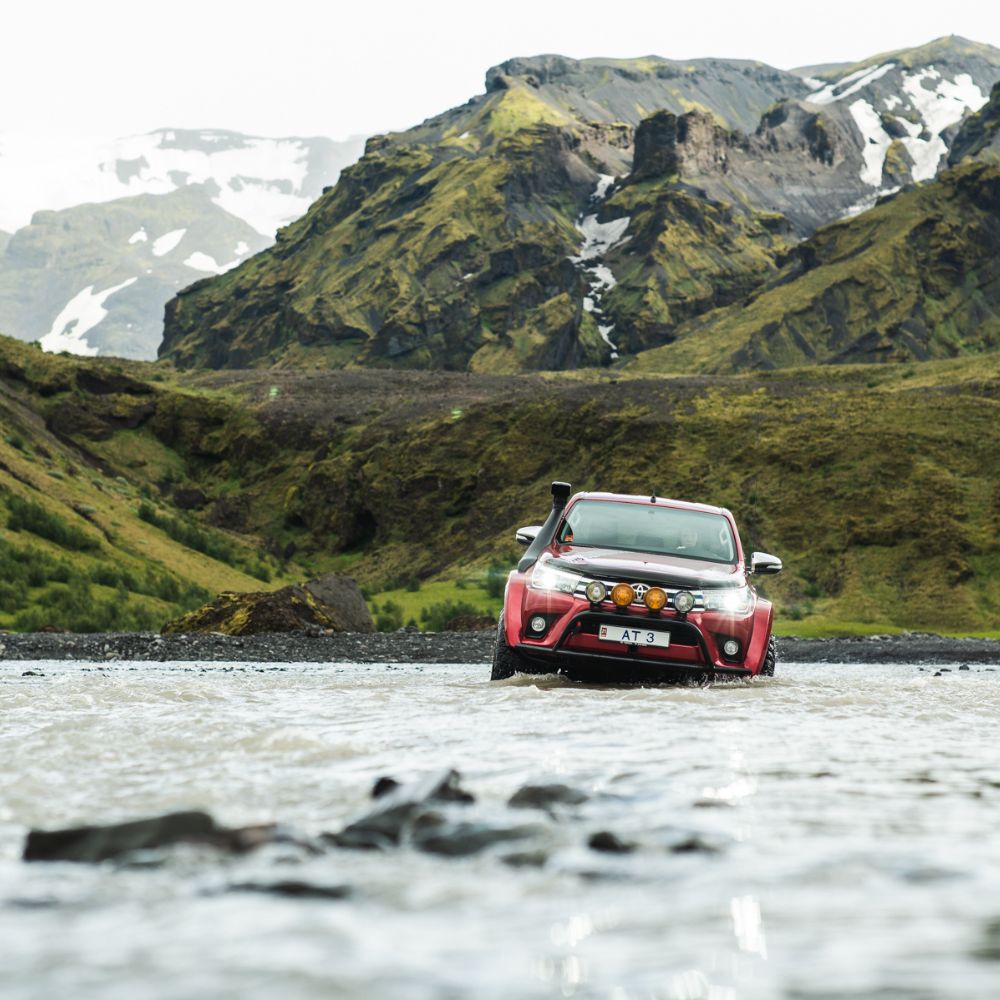
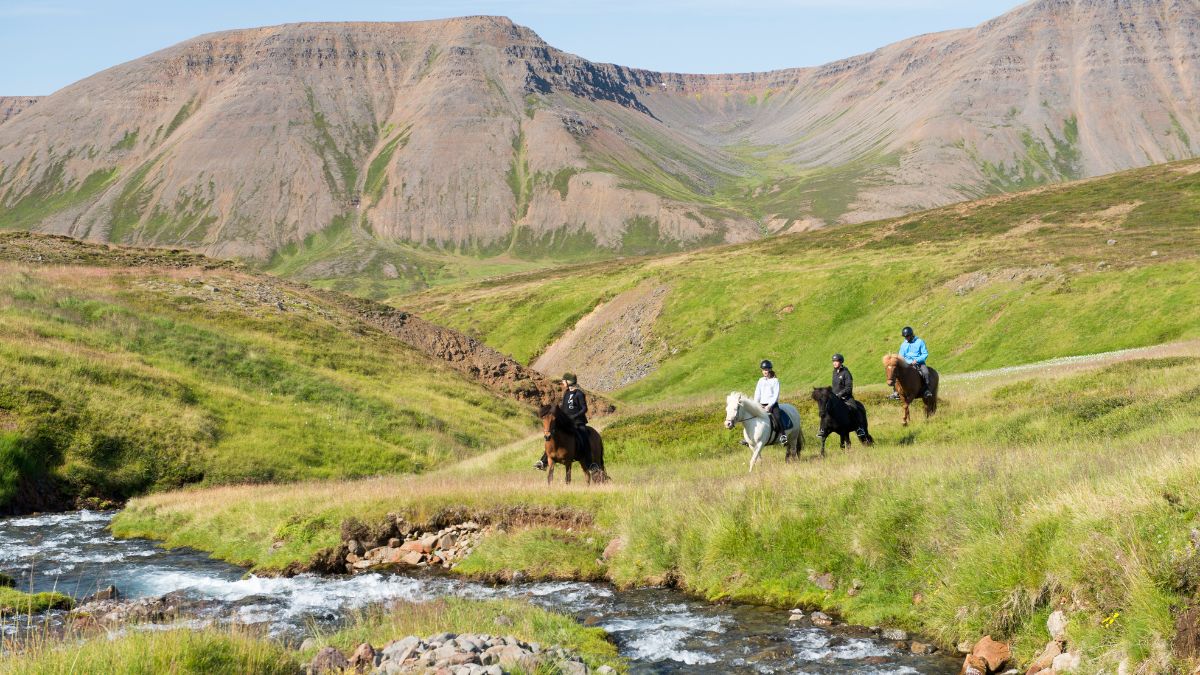
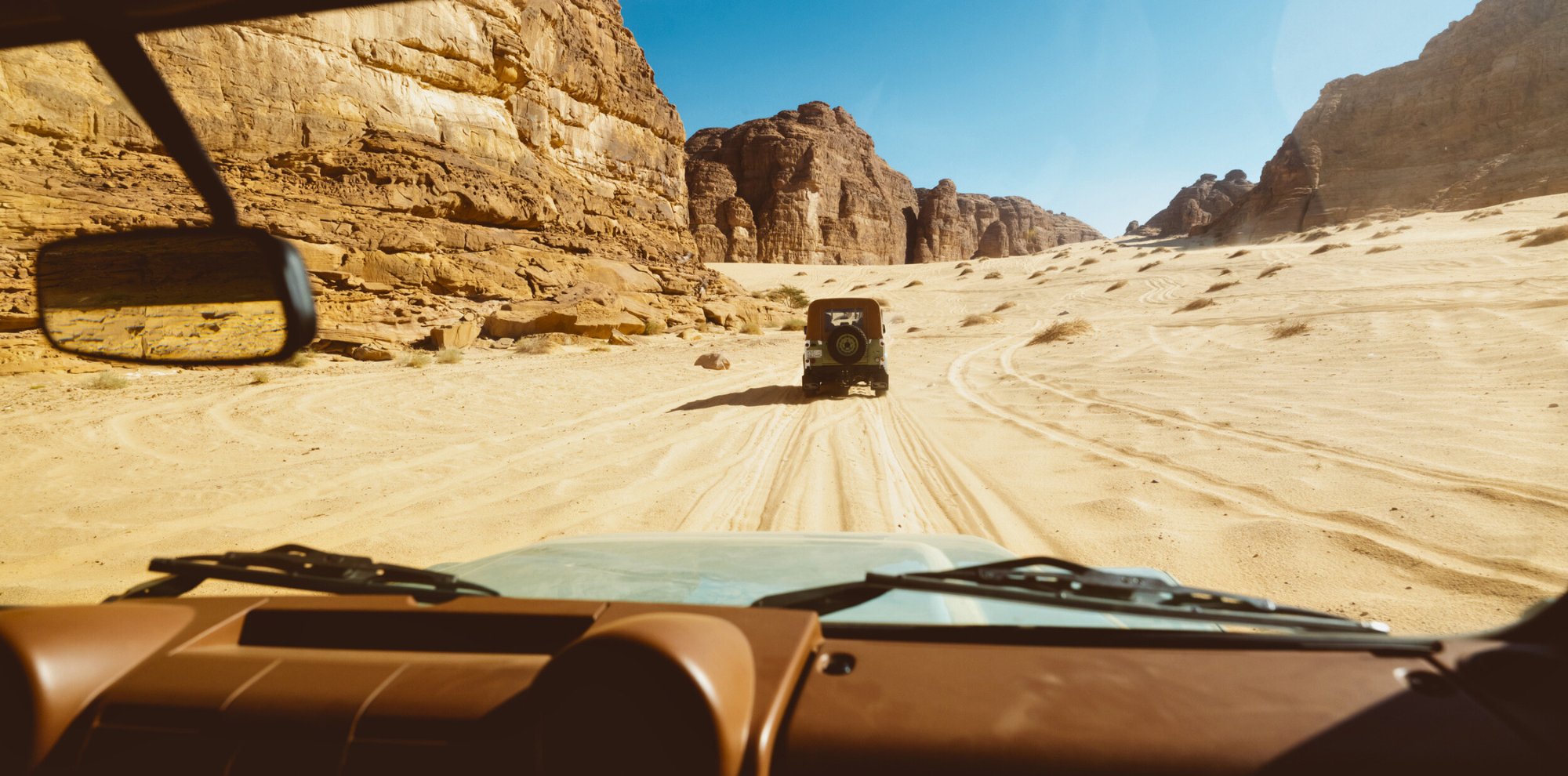
I always find myself drawn back to the Westfjords, a wild, isolated region on the northwest coast. There are several exciting ways to explore its most secluded corners. You can navigate marshlands in a four-wheel drive, cross ice fields in snowshoes, or horseback ride through the mountains with a private guide.

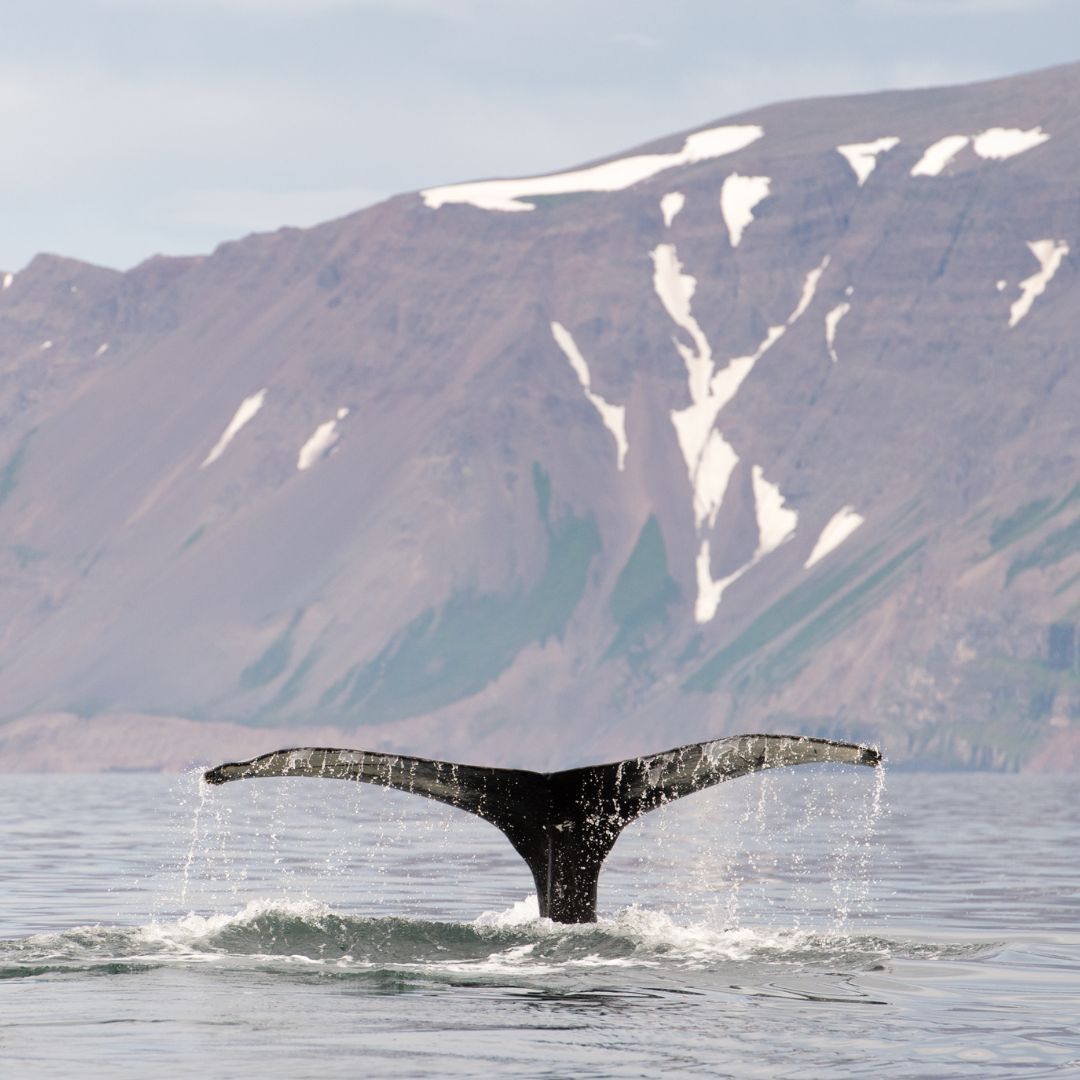
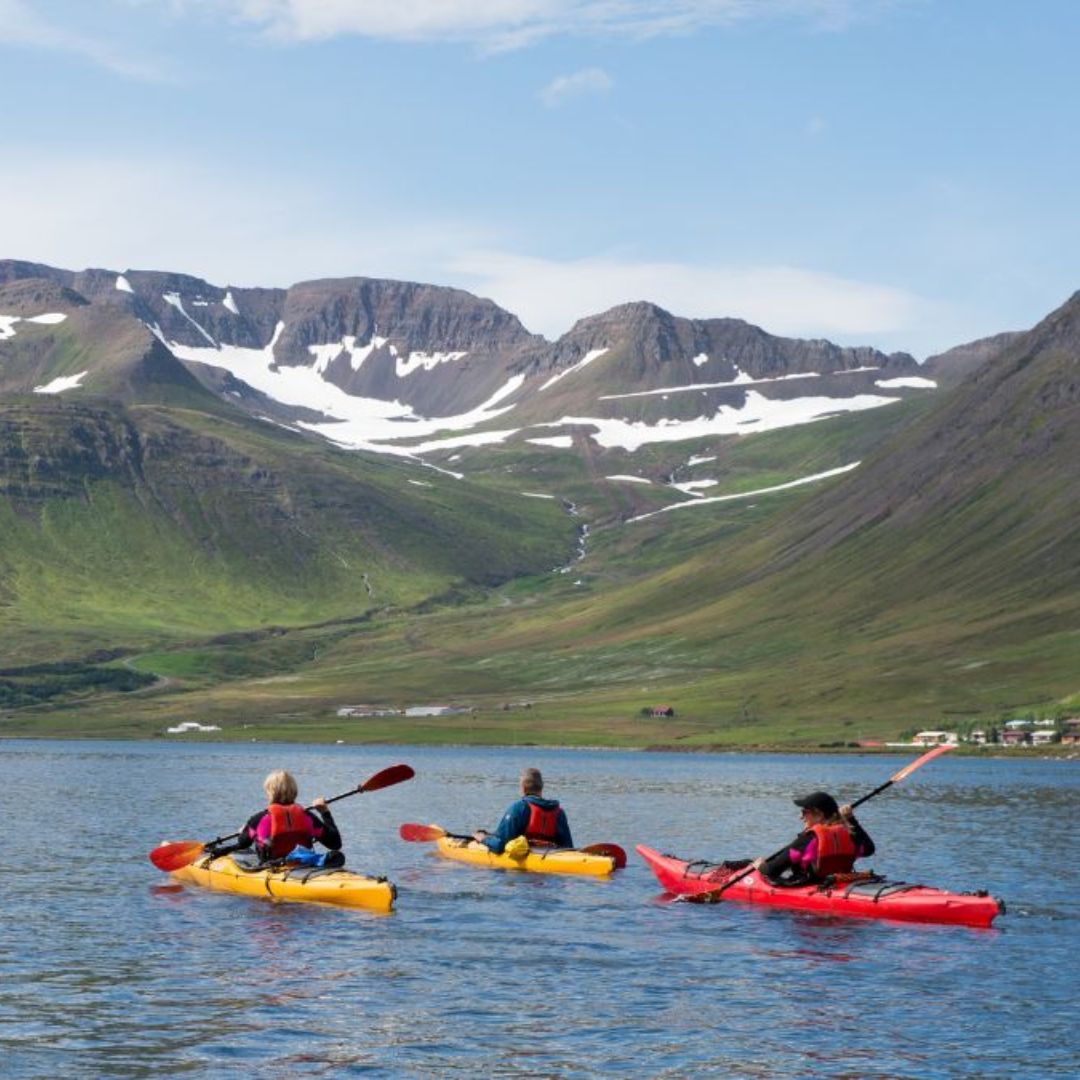
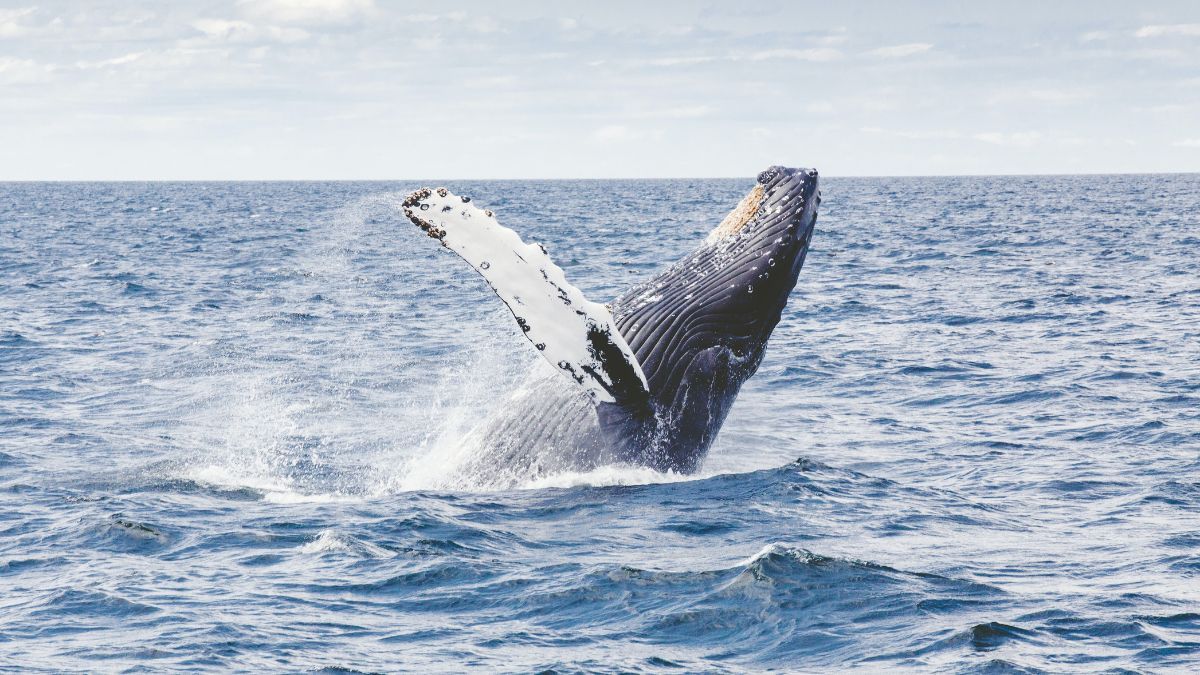
Along the Westfjords coastline, there are several beautiful kayaking and whale-watching spots. I often send travellers to Lónafjörður Fjord, where the water is perfectly calm and seals occasionally surface in and around the bay. Here, guests can enjoy barbecues on the beach, or settle in for a cocktail on the cliffs at dusk, paired with ocean views.

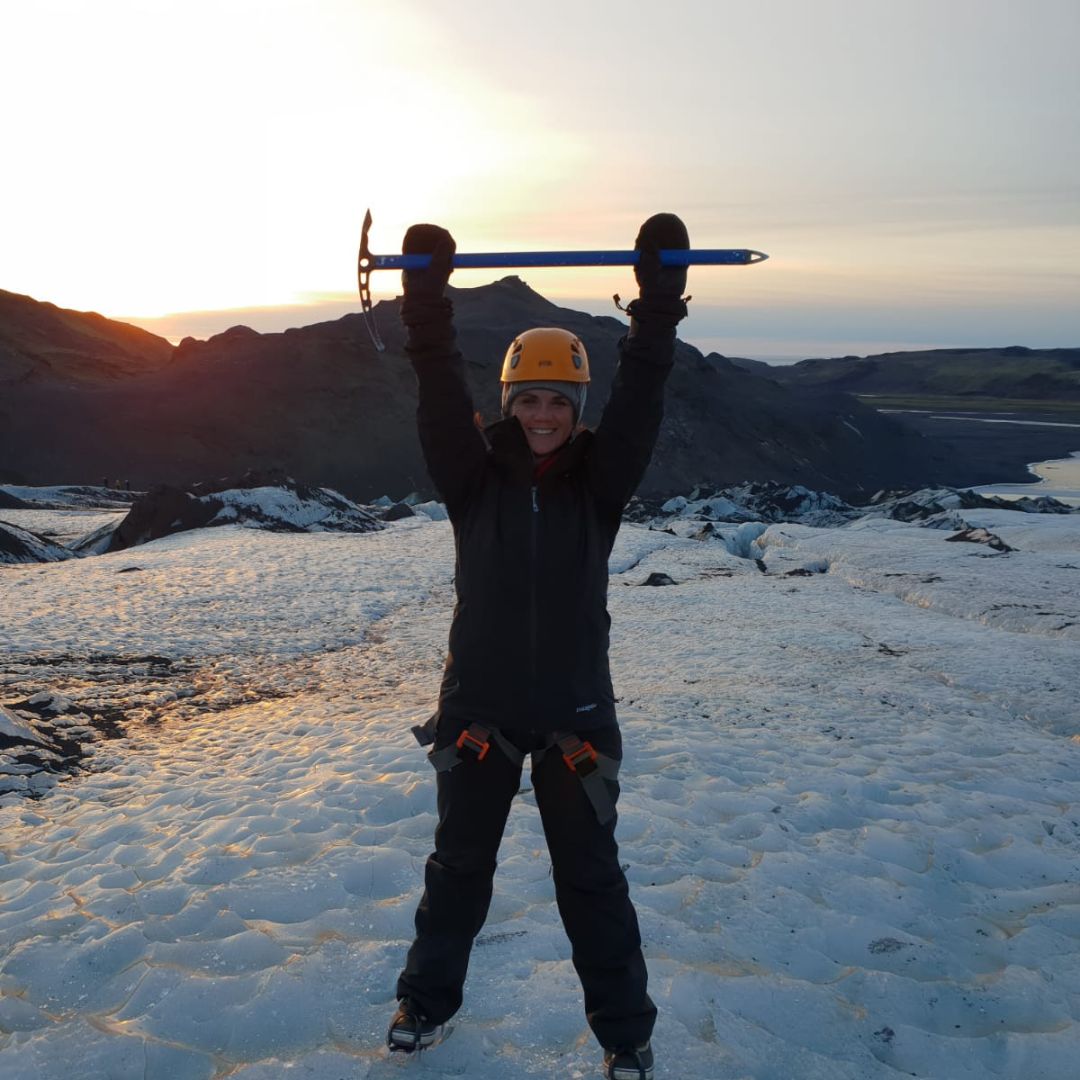
Consider camping for a truly immersive experience. The expansiveness of the landscape allows us, as travel advisors, to set up luxury pop-up accommodations on glaciers, blue ice caves, or nearly anywhere else along the fantastic terrain.
The Highlands

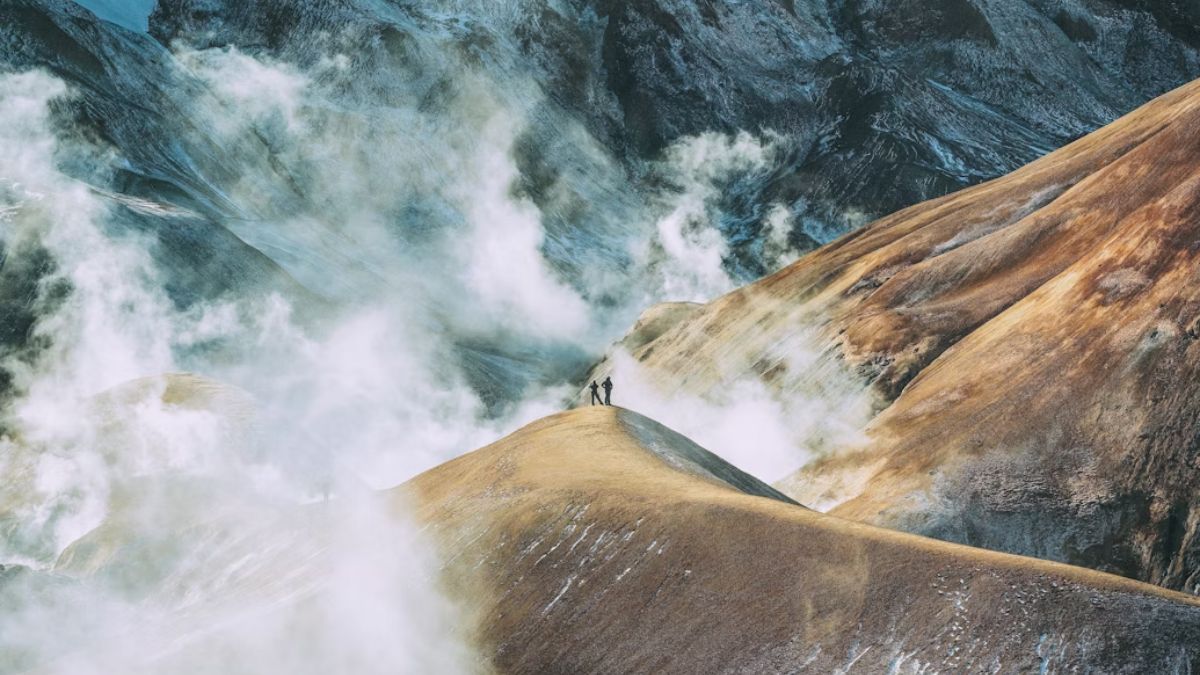
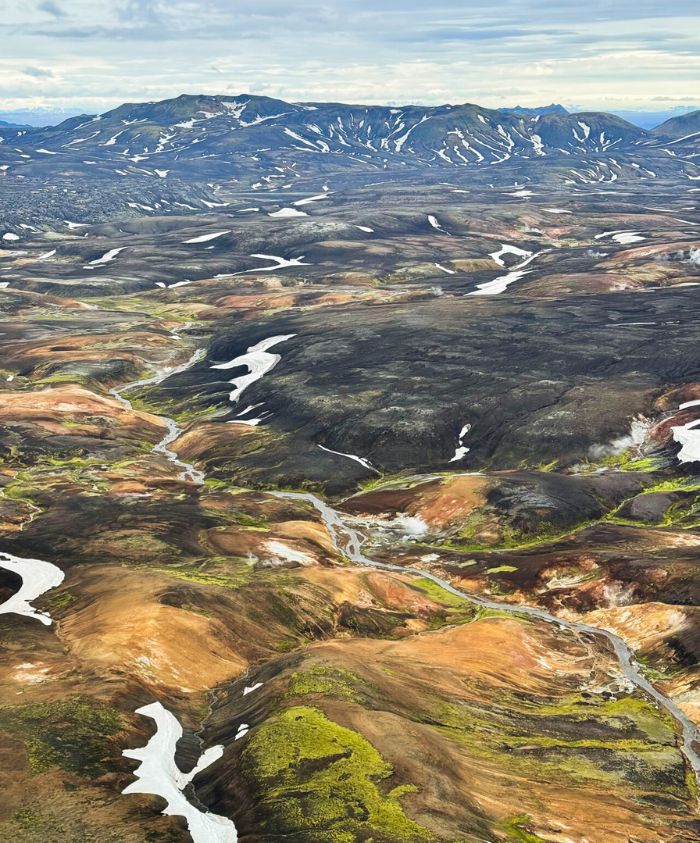
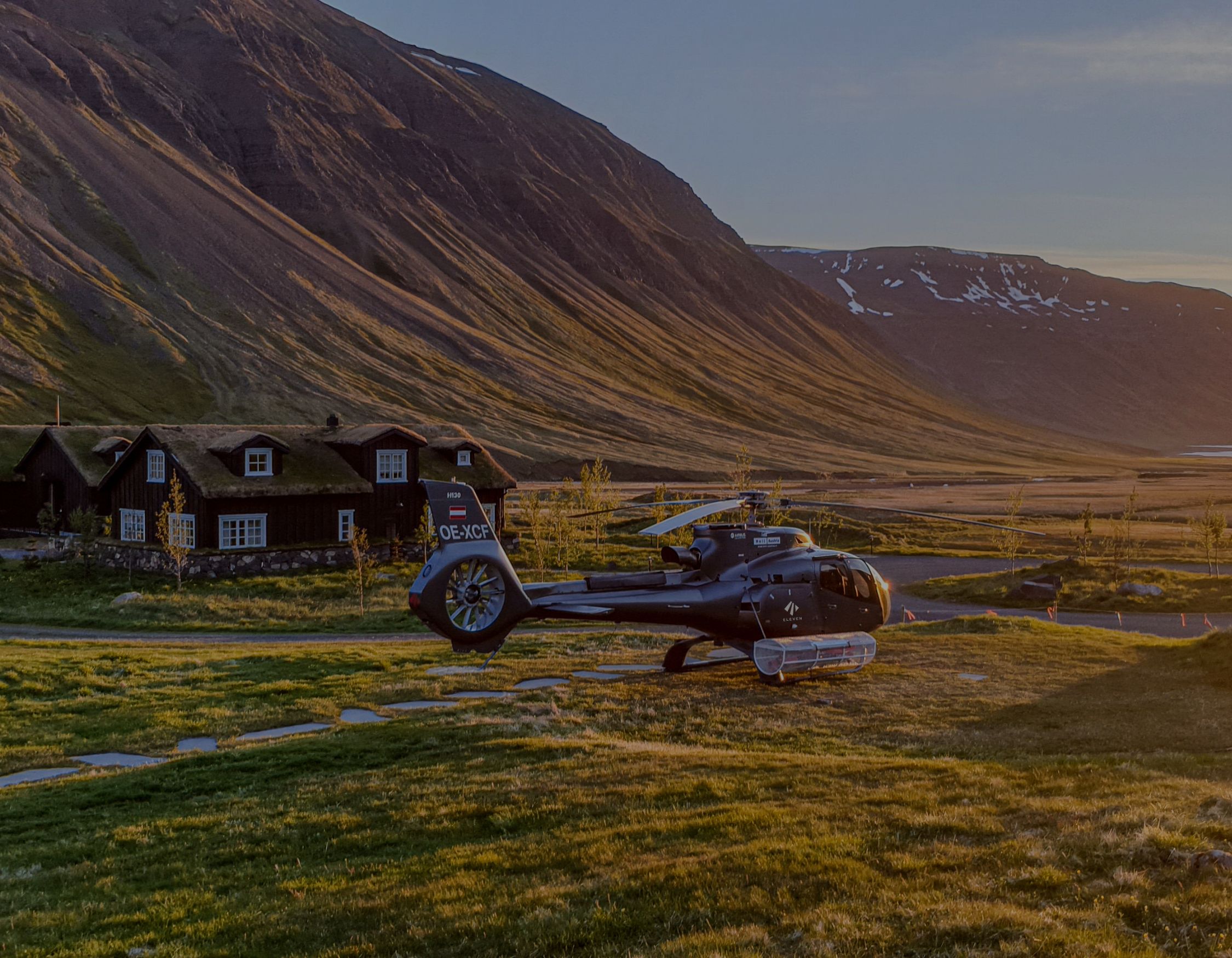
The Highlands are an untamed region full of volcanoes, black deserts, and crater lakes. Hiking trails lead you past rhyolite mountains and into the Kerlingarfjöll Mountains, where you can bathe in geothermal pools or take to the skies in a helicopter, landing on the flat caldera of a volcano. This aerial perspective provides a surreal view of the otherworldly environment.

Just because the landscape in the Highlands is rugged doesn’t mean your experience has to be. Travel advisors can arrange experiences like whisky tastings on a glacier (using ice from the glacier itself!) and gourmet meals by a private chef in a blue ice cave.

In the center of the Askja Caldera volcano in the Highlands, there is a blue crater lake that was once used by NASA to train astronauts for the first moon landing in 1969. Here, you can trace the rim with a volcanologist and hike across its lava fields. This molten, frozen landscape is a great example of why Iceland is known as “The Land of Ice and Fire."

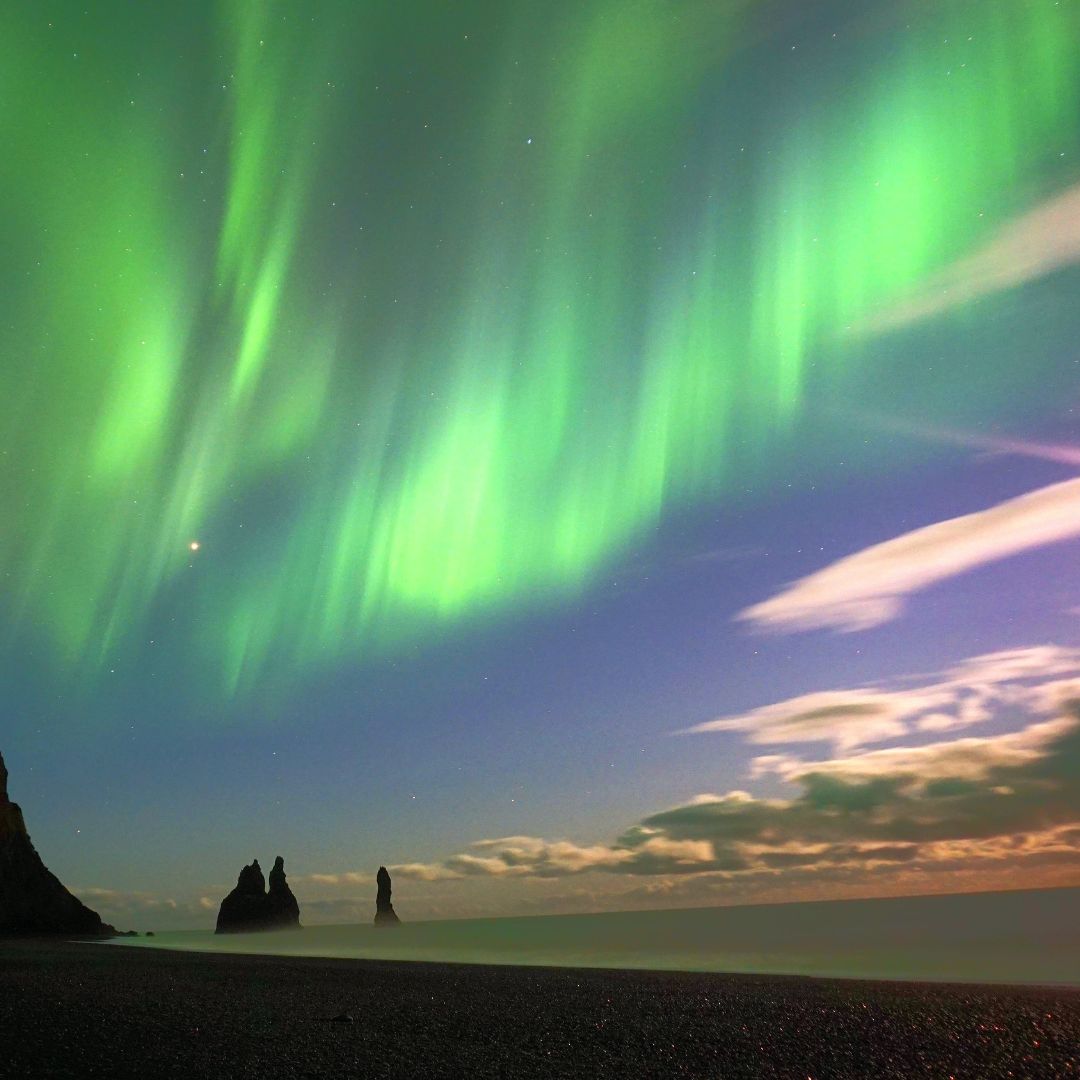
Vibrant green auroras dance across the night sky above a rocky beach, with silhouettes of jagged rock formations in the foreground and soft clouds illuminated by the lights.

Tips for Visiting Remote Areas of Iceland

The best time to visit Iceland is in the summer months, from June to September. During this time, extra hours of daylight make it easy to take part in more activities. Plus, the weather, though chilly, is milder. With a flight time of only around five hours from the U.S., I recommend that travellers visit for at least five or six days. And if they have time, I also recommend adding a visit to Ireland after Iceland; the quintessential Irish countryside beautifully contrasts the Nordic wilderness.

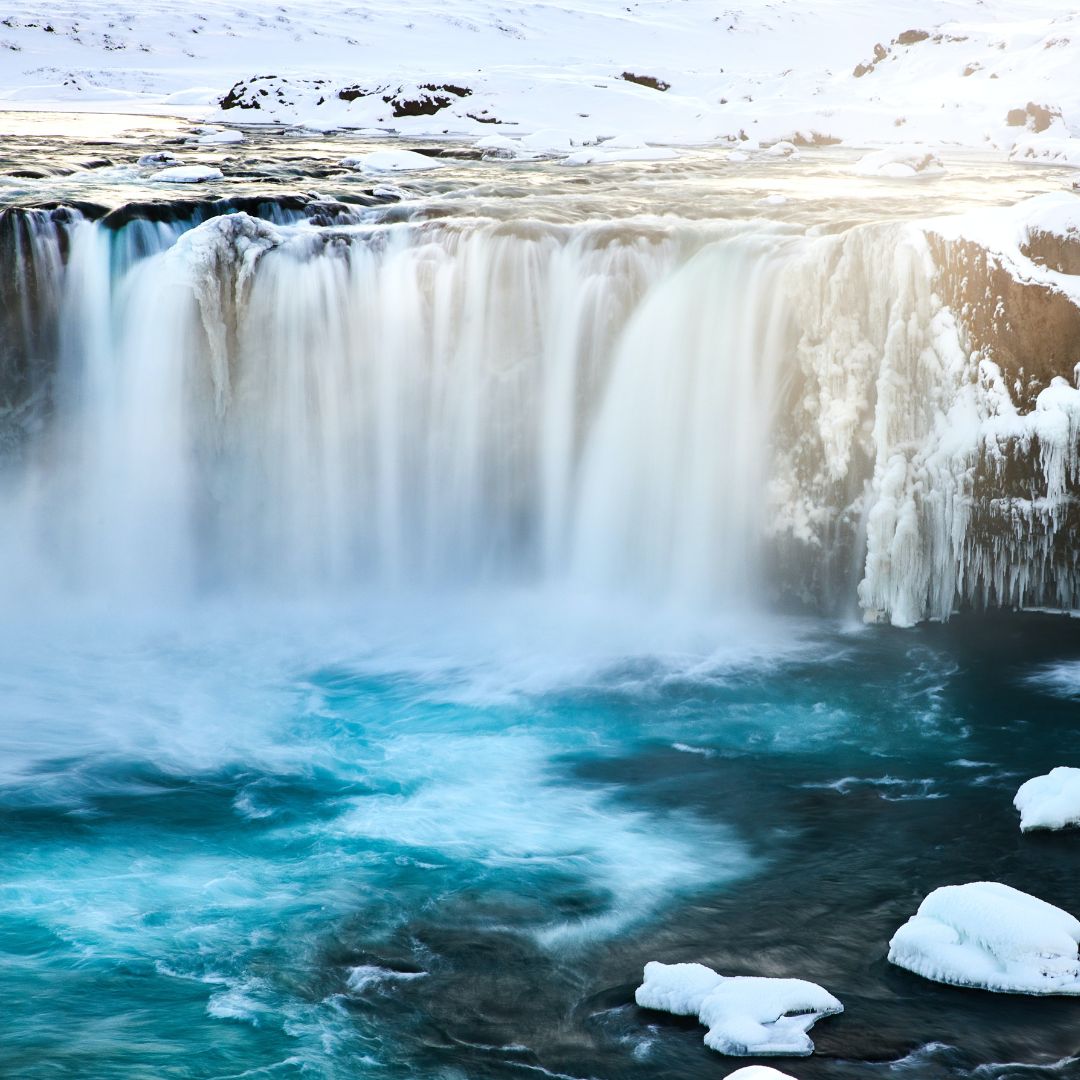
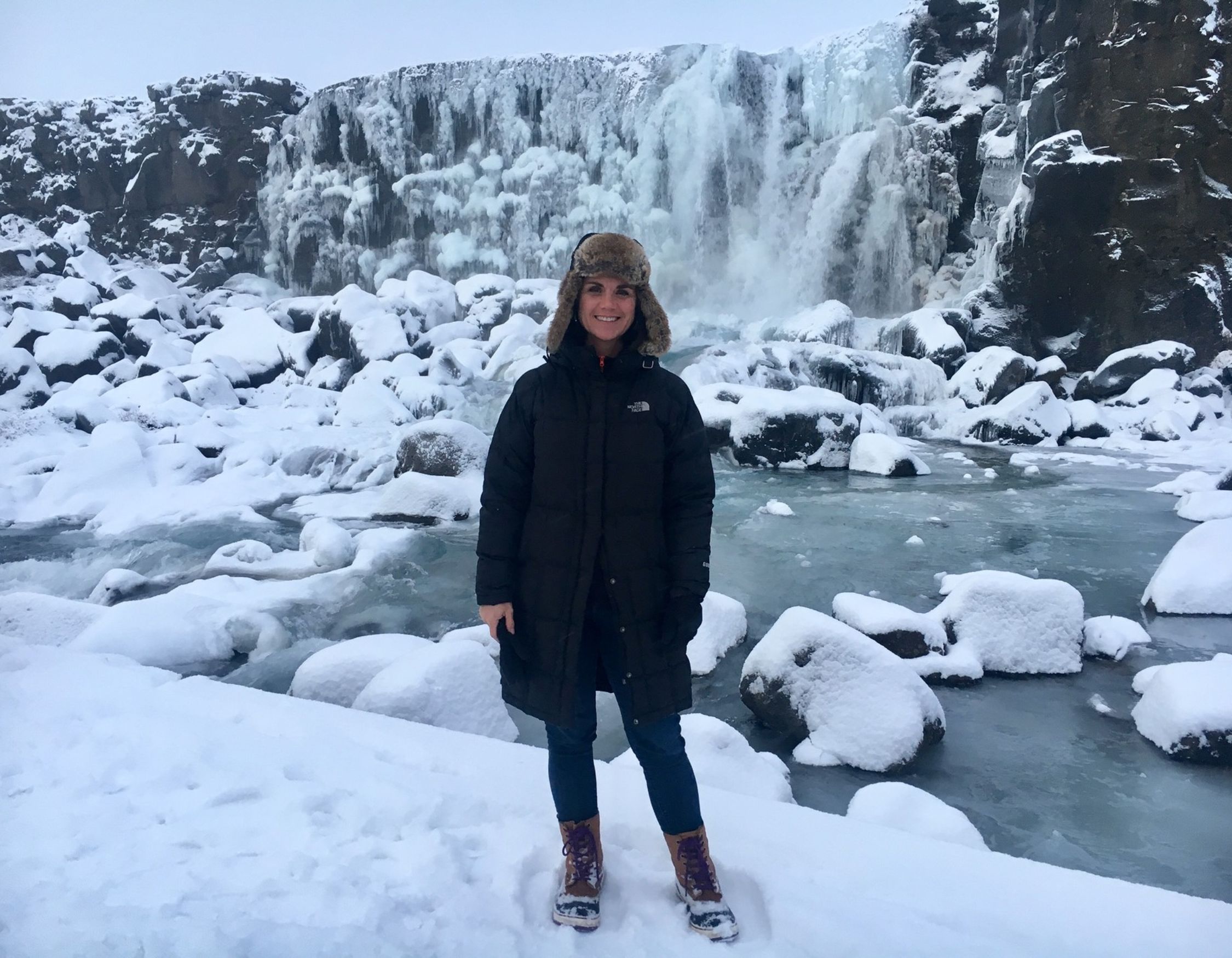
A majestic waterfall cascades over rocky cliffs into a vibrant turquoise river, surrounded by snow-covered terrain. Sunlight glimmers off the water, creating a serene winter landscape.

FEELING INSPIRED?

Get in touch with Gwen and our Travel Team to start planning your own Iceland adventure.